


Losing a loved one due to someone else’s negligence or intentional actions is devastating, and it often raises questions about legal rights and accountability. An estate can sue for wrongful death, with the deceased person’s executor or personal representative having the legal authority to file a claim. This allows the estate to seek compensation for the deceased’s pain and suffering before death, as well as financial losses directly resulting from the wrongful death.
If you have lost a loved one due to someone else’s negligence and wish to pursue legal recourse, it is critical to consult with a lawyer as soon as possible. If you are the estate’s personal representative and believe that there may be a wrongful death suit, an experienced wrongful estate attorney can help guide you through the process of seeking recovery. The skilled estate litigation lawyers at Onyx Law Group can provide you with the wisdom and legal support you need to prosecute a wrongful death action. Contact us today to schedule a consultation.
In this article, we will clarify who can file a wrongful death claim, what damages an estate can recover, and the process of pursuing such a lawsuit.
What Is a Wrongful Death Lawsuit?

A wrongful death lawsuit, or wrongful death claim, is a civil legal action brought against a person or entity whose negligence or harmful act caused someone’s death. Unlike a criminal case, which punishes the offender with jail time, a wrongful death claim aims to provide financial compensation to the deceased’s estate and surviving family members.
The legal framework for these claims is distinct from standard personal injury cases. While a personal injury lawyer typically fights for the victim’s recovery, a wrongful death lawyer fights for the financial stability of those left behind. The claim asserts that if the injured person had survived, they would have been entitled to maintain an action and recover damages due to the wrongful act that caused their death.
What Are the Key Components of a Wrongful Death Lawsuit?
To bring a wrongful death claim successfully, specific legal elements must be met. A tragic accident, or even suspicion of another’s inadvertence, is insufficient. There must be evidence of legal liability. The core of these lawsuits typically rests on one of three grounds:
- Negligence: This is the most common basis, seen in car accidents or medical malpractice cases, where a person’s negligence (i.e., failure to act with reasonable care) caused the death.
- Intentional Acts: These involve intentional actions intended to harm, such as an assault.
- Breach of Contract/Default: In rarer cases, a death may result from a breach of a contractual duty or default.
Essentially, the wrongful death action will only succeed if one can prove that the defendant’s actions led to the death, either through negligence or intention.
Can An Estate Sue For Wrongful Death?
If someone dies because of someone else’s carelessness or intentional actions, the estate can file a wrongful death claim. Under personal injury law, the deceased person’s estate, usually represented by the executor or personal representative, can file a lawsuit to seek wrongful death damages, including medical expenses, funeral costs, lost income, and sometimes compensation for emotional suffering. The claim allows the estate to hold the responsible parties accountable and to provide financial relief to the surviving family members.
Handling such claims requires a profound understanding of the legal system due to the complex procedures, strict deadlines, and detailed evidence gathering involved in wrongful death cases. A seasoned lawyer will ensure the estate’s rights are fully protected, that the claim is filed correctly, and that the pursuit of wrongful death damages is handled well.
Who Can File a Wrongful Death Claim?
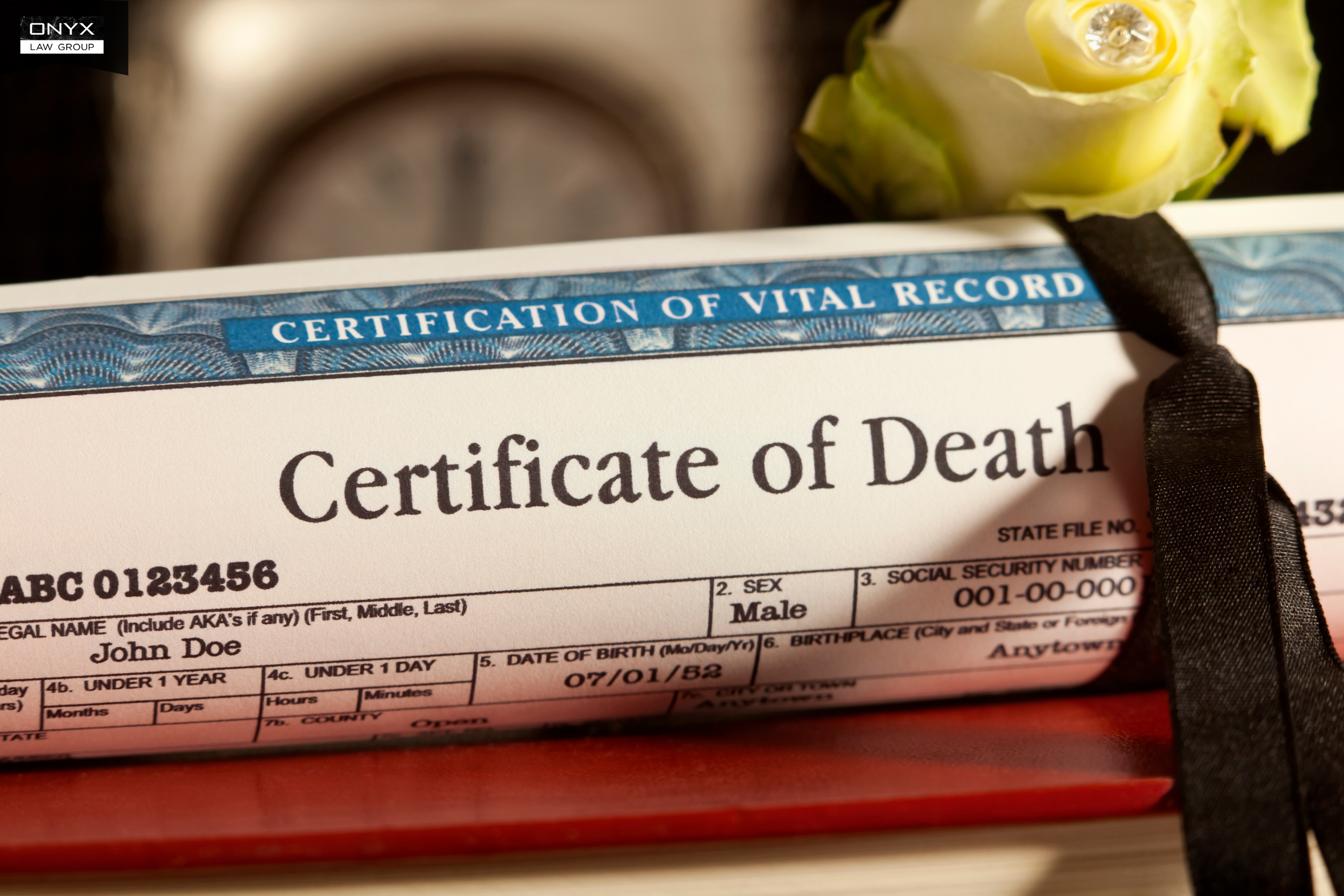
Determining who is entitled to file a claim is a critical first step. Generally, the law allows only specific parties to initiate the claim.
- The Deceased’s Estate: The estate’s personal representative (often called the executor or administrator) is frequently the primary party to file the lawsuit on behalf of the deceased’s estate. Because an executor steps into the shoes of the deceased, they have the legal authority to hire legal representation, initiate claims on their behalf, manage settlement negotiations, and distribute any proceeds to the beneficiaries.
- Surviving Family Members: Many jurisdictions have wrongful death laws that give surviving family members, such as the surviving spouse, the right to make a wrongful death claim. In BC, close family members can make claims pursuant to the Family Compensation Act. While the claim must be brought for the benefit of the spouse, parent, or child of the person whose death was wrongfully caused by another, the action must still be brought by the executor. Other jurisdictions may have other requirements.
How Does the Estate File a Wrongful Death Lawsuit?
Following the steps involved in the legal procedures for filing a claim carefully is crucial. In other words, an estate representative cannot simply walk into court and walk out with compensation. They must follow the correct protocol to ensure that the defendant is held liable and the family members are compensated.
1. Appointment of Representative:
While an executor derives their authority from the will, the probate process merely confirms that authority; typically, a lawsuit will not be filed until the probate process has begun. Without this designation, the defendant is very likely to argue that the named executor lacks the standing to sue on behalf of the decedent’s estate.
2. Gathering Evidence
You and your lawyer will begin gathering evidence. This includes obtaining accident reports, medical bills, witness statements, and expert opinions to substantiate the claim.
3. Filing the Lawsuit
The lawyer files the action with the court, detailing the wrongful act and the resulting damages. The court can notify the defendant and set deadlines for their response once the filing formally initiates the legal process.
4. Discovery Process
Once the action has begun, both sides exchange information and can also question the other side under oath. This is where the strength of the wrongful death case is tested.
5. Trial
When settlement talks are unsuccessful, the next step is to go to trial, where the claims made will be tested, and a decision on the cause of the decedent’s death will be made. During the trial, both sides present evidence, examine witnesses, and make legal arguments to support their positions before the judge or jury.
What Are the Challenges in Proving Negligence?

Proving liability in wrongful death claims is not easy. The burden of proof lies with the plaintiff (i.e., the estate). To succeed, the four pillars of negligence must be established:
- Duty of Care: First, you must prove that the defendant owed the deceased a duty to look after the deceased’s interests in some way. For instance, a doctor would have a duty to a patient.
- Breach of Duty: The next step is to establish that the defendant failed to meet this duty by acting in a way that fell below the standard of care that is expected of them. For example, a competent doctor in the same field and location would be the standard.
- Causation: The next step is to prove that the above breach caused the death. This requires showing a direct link between the wrongful act or negligence and the harm suffered by the decedent, establishing that the death would not have occurred otherwise.
- Damages: Finally, there must be losses that resulted from the death. In the case of a wrongful death, it might be the loss of future earnings or parental support.
In complex scenarios like medical malpractice, proving causation requires expert testimony. In vehicle accident cases, it may require accident reconstruction. Defendants often argue that the deceased was partially at fault or that the death resulted from natural causes. Experienced legal representation is essential to overcome these hurdles and prove that the necessary evidence supports the claim for financial losses.
Is Your Estate Ready to Seek Justice for Wrongful Death?
An estate can pursue a wrongful death claim when a loved one’s death results from someone else’s negligence or intentional actions. The personal representative or executor acts on behalf of the estate, seeking compensation for financial losses, medical and funeral expenses, and other damages suffered by the decedent before death. Establishing liability involves proving that a breach of duty directly caused the death, and the process often includes gathering evidence, negotiating settlements, or proceeding to trial if necessary.
Navigating a wrongful death claim can be complex, as it involves both estate law and personal injury principles. Consulting an experienced estate attorney is necessary to make sure the claim is properly filed, deadlines are met, and the estate’s rights are fully protected. An attorney can guide the personal representative through the legal process, maximize potential recovery, and handle disputes with insurers or other parties efficiently.
If a loved one has died due to another’s negligence, the estate is entitled to pursue a wrongful death claim to recover funeral costs, lost income, and address emotional suffering. Executors handling such estates need knowledgeable legal guidance to navigate complex procedures and protect the estate’s interests. Working with an experienced estate attorney in your area ensures the claim is properly managed and the responsible parties are held accountable. Schedule a free consultation with us today to get expert support for your wrongful death case.
Frequently Asked Questions
Many questions naturally arise when grieving the loss of a loved one. This is especially true when the loved one’s death resulted from another person’s negligence. Here are some of the most common questions and answers.
Can an Estate Sue for a Wrongful Death if the Deceased Was Not Working?
Yes, an estate can pursue a wrongful death claim even if the deceased was not working at the time of death, as damages are not limited to lost income. The estate can seek compensation for pain and suffering, loss of parental guidance or support, loss of companionship, medical and burial expenses, and emotional distress.
What Damages Can an Estate Claim in a Wrongful Death Lawsuit?
In a wrongful death lawsuit, an estate can claim economic damages, like medical bills, funeral costs, and lost wages, as well as non-economic damages, such as the deceased’s pain and suffering, family members’ emotional distress, loss of companionship, and financial support for children. In rare cases involving particularly egregious conduct, courts may also award punitive damages to punish especially wrongful behavior.
What Are the Costs Associated With an Estate Suing for Wrongful Death?
Many wrongful death lawyers work on a contingency fee basis, meaning the estate typically pays no upfront legal fees. However, pursuing a claim can still involve costs such as court filing fees, expert witness fees, and other litigation-related expenses.
What Are Common Mistakes Estates Make When Suing for Wrongful Death and How Can They Be Avoided?
One of the most serious mistakes in a wrongful death case is missing the statute of limitations, which usually lasts two years but can vary by jurisdiction, or failing to preserve crucial evidence right after the incident. Consulting an experienced wrongful death lawyer promptly helps ensure the estate representative and family members navigate the legal process correctly and protect their rights.