


There’s no question that divorce is a challenging and emotional journey. Separated couples must make difficult legal and financial decisions, and it feels like there are so many unknowns. During this tumultuous period, a significant amount of uncertainty arises from the different divorce options in BC. The two main divorce options in BC are a contested and uncontested divorce.
You don’t have to navigate this challenging time alone. Onyx Law Group has the expertise to answer any questions you may have regarding BC divorce options. We can help determine the best course of action and guide you through the divorce process from start to finish. Our experienced divorce and family law team is here to ensure your divorce is handled efficiently and with care. Contact us today for a consultation and let us handle the legal complexities, so you can move forward confidently towards a fresh start.
This article will explore BC divorce options and the best path to a smooth divorce, provide factors to consider when deciding on the right path for you, and discuss the importance of legal advice to facilitate a smooth divorce.
How Divorce Laws Work in BC

Divorce and family related legal matters in British Columbia are governed by both federal and provincial laws. There’s considerable overlap between our province’s Family Law Act, which is the main law that applies to family law issues in BC, and the federal Divorce Act. Both deal with family related legal matters such as child support, spousal support, and parenting arrangements.
It’s important to know that Canada’s Divorce Act only applies to legally married spouses, not common law spouses. If you’re legally married and want to get a divorce order, you must start an application in British Columbia under the federal Divorce Act. A divorce order is the only way to legally end a marriage. There is no power to grant a divorce order under the Family Law Act.
That being said, many separated couples—whether they were legally married or in a common law marriage—rely on the Family Law Act when resolving their family–related issues (e.g., division of property and debt, support, parenting arrangements). Of the two laws, only the Family Law Act deals with the division of property, debt, and getting protection orders to address family violence. If orders addressing those issues are needed, you must include claims under the Family Law Act when you prepare and file the papers to start court proceedings.
Divorce Options in BC: Which One Is Right for You?
There are two main paths to get a divorce in BC: contested and uncontested.
If you and your spouse want to get divorced but can’t agree about some or all issues, you must use the contested divorce process. Issues that may be in dispute include determining the custody of a child, calculating the spousal support, and how the properties are divided on divorce. Your case goes to trial if you can’t agree on all issues. A judge will make the final decision on any outstanding issues and grant a divorce order.
If you and your spouse agree about how to deal with parenting issues, child support, spousal support, and property and debt issues, you can apply for an uncontested divorce in B.C. This is also called an undefended divorce or a desk order divorce. Most divorces are uncontested, and the divorce order is issued by a judge without the spouses having to appear in court. It’s important to emphasize that if you have children, you must provide evidence to satisfy the judge that you have made reasonable arrangements for your children’s best interests, including child support. The judge will refuse to grant a desk order divorce if he or she is not satisfied with the arrangements for dependent children.
The uncontested divorce process is less expensive and faster. The contested divorce process tends to take more time and cost more, both financially and emotionally.
What Is the Fastest Way to Get a Divorce in BC?
An uncontested divorce application typically takes about three to six months from the date of filing to the date the divorce order is issued by the judge. The process moves more quickly when parties agree on everything and the divorce application is prepared correctly and without mistakes. The only decision left for the judge is whether or not to grant the divorce order.
If your divorce is contested, it can take months if not years to get a divorce order—especially if your divorce is not amicable. Your spouse may be unreasonable or use tactics to drag the matter out, and you may have to wait a long time for your trial to be scheduled depending on the courts’ capacity.
Does Starting Contested Divorce Proceedings Mean You Have to Go to Trial?
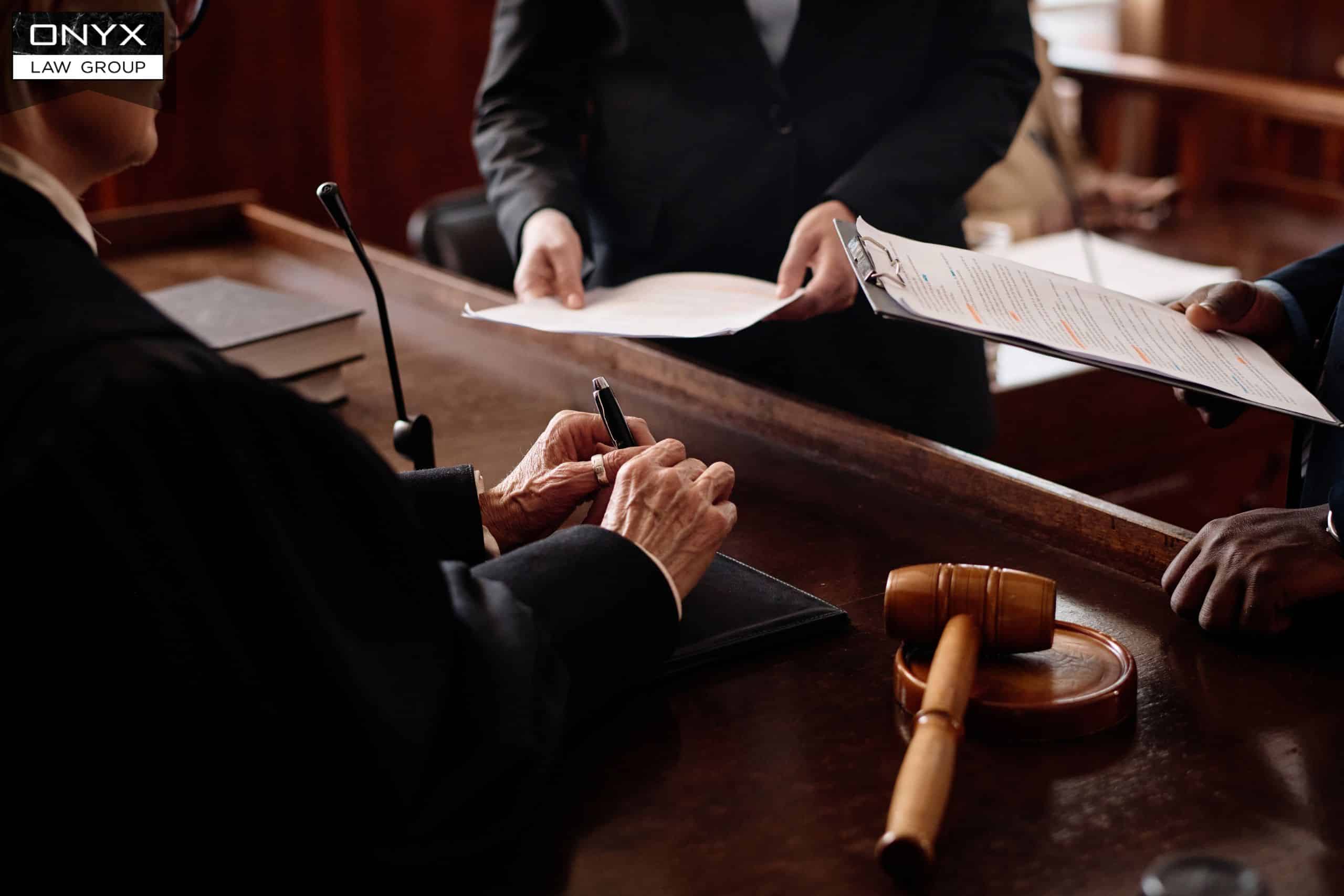
Many separated couples go to court and file divorce proceedings because they can’t agree on the issues but end up settling matters without the need for a trial. You and your spouse can make an agreement at any time—before or after divorce proceedings are commenced—either by negotiation, mediation, or other alternative dispute resolution options. Once all outstanding issues are settled by way of a written separation agreement or consent order, the BC Supreme Court can grant a divorce order ending the marriage, without the need for a trial.
Litigation vs. Other BC Divorce Options
Sometimes, it’s necessary to go to court to resolve family disputes. It’s important to be aware of some of the potential disadvantages of the litigation process. First, when you file the papers to start your case, there is a loss of privacy. Court proceedings are public.
Second, court proceedings and trials are expensive and time-consuming. There are court fees and trips to court standing and waiting for court appearances. The timeline for resolving issues depends on the court’s availability and the reasonableness of the parties’ positions. If a family court trial is necessary, there is a real loss of control, as you are asking a judge to decide the outcome of your family law case.
Using dispute resolution methods like mediation, arbitration, and collaborative law may save you time and money and avoid the stress of a trial. You can use these dispute resolution methods without ever starting a family court case, or you can use them during the court process to facilitate a smooth divorce. You may be able to agree on all issues with the right advice and support, or you may agree on some issues, which narrows what must be dealt with in court. The result is typically less costly legal fees and an improvement of relationships—mutually agreeable solutions often soothe difficult family dynamics.
If there is a history of family violence, abuse, fear/intimidation, or a restraining order in place, mediation or other alternative dispute resolution options may not be recommended. The best course of action is to consult with an experienced family lawyer about your situation and which BC divorce option is advisable.
Online Divorce: Can You Handle Your Divorce Online?
Now for a word on another of the BC divorce options: online divorce. There’s certainly an appeal to the idea of filing for divorce online without requiring lawyers. However, there is currently no option to file for BC divorce online without having to go to court to file the papers.
The BC Ministry of Justice’s Online Divorce Assistant is a relatively user friendly tool designed to answer questions. The app lets you prepare paperwork online, but you still have to print your divorce papers, take them to the Supreme Court and file them. Another drawback: the app lets spouses prepare joint divorce paperwork only (i.e., a divorce application brought jointly with your spouse, which requires you and your spouse to agree about getting a divorce and all family law issues that arise in your situation).
There are many privately run websites offering BC divorce online without requiring lawyers or costly legal fees. They often promise a revolutionary and user-friendly alternative to traditional divorce options. If you want to handle your divorce online, you must be aware of the drawbacks.
Many of the websites offering divorce online originate in the U.S.; they aren’t experts in Canadian divorce law. They charge a fee, but don’t provide you with any advice or assistance with complicated legal decisions. And you will still need to print your divorce papers, go to court to file the papers, pay court fees, and ensure the documents are properly served on your spouse.
Which Court Can Handle Your BC Divorce?

In British Columbia, there are two courts that can handle family-related legal matters: the Provincial Court and the Supreme Court. If you need to go to court to resolve disputes, how do you decide which court can handle your BC divorce and related family law matters? The answer depends on several factors, including the issues at stake and the relief you are seeking from the court.
Both the Provincial Court and the Supreme Court have jurisdiction to hear family matters under the Family Law Act pertaining to child support, parenting, and spousal support, but only the Supreme Court has jurisdiction to make orders for dividing family property and debt. So, if you have property and debts to divide and you can’t agree on how to divide them, you’ll have to file the papers to start proceedings in the Supreme Court. Additionally, only the Supreme Court can grant a divorce order in BC. The Provincial Court can’t make a divorce order, so if you want to file a divorce application in British Columbia, you must file your divorce papers in the Supreme Court.
The decision on where to start your family law case can be tricky. For example, if parenting and support are the only issues to be determined and you don’t have property or debt to divide, the best course of action may be to go to the Provincial Court to get an order resolving those issues. Provincial Court is typically quicker and less expensive than family claims in the Supreme Court. Assuming there are no outstanding issues once the Provincial Court has made orders resolving your case, you can then bring an uncontested divorce application to the Supreme Court to get a divorce order that legally ends your marriage.
If all of that sounds confusing, that’s because it is! We welcome you to reach out to Onyx Law Group to discuss the options and receive guidance on selecting the appropriate court in your situation.
Which Grounds for Divorce Should You Rely On?
Divorce in Canada is a “no-fault” system, which means neither spouse needs to prove fault. Instead, you must demonstrate that your marriage has broken down. There are only three grounds in the Divorce Act for establishing marriage breakdown: one year of separation, adultery, and mental or physical cruelty.
Even if your spouse committed adultery or was abusive, it’s very rarely recommended to proceed using either of those grounds. Adultery and cruelty must be proven by evidence in court. To avoid the necessity and expense of a trial, most separating spouses choose to live apart for a year and apply for divorce on that basis.
When relying on one year of living separate and apart as the grounds for your divorce, you can start your divorce application in British Columbia any time after you separate, but the Supreme Court will not grant a divorce order until you and your spouse have been separated for at least one year.
How to Choose the Best Option for Smooth Divorce in British Columbia?
The best divorce option for you depends on your unique situation. Factors to consider include the nature of your relationship (amicable or high conflict), the issues at stake, your financial situation, your emotional readiness, and your priorities and personal goals.
Before making a decision, it’s strongly recommended that you consult with a divorce and family law lawyer. A lawyer can help you assess the options and make informed decisions. Your lawyer can also ensure compliance with proper legal procedures and work toward achieving a fair settlement. If settlement is not achievable, your lawyer will ensure all legal documents are correctly prepared and filed, and advocate for you in court.
How to Get Divorced In BC?
The process and documents you will need depend on which of the divorce options you choose. We welcome you to review resources we prepared on initiating the divorce process (e.g. eligibility, residency rules) and gathering documentation (marriage certificate, financial documents, etc.) to get an idea for the process of getting divorced in BC. You are also welcome to contact Onyx Law Group’s experienced Vancouver divorce lawyers who can help you navigate the legal system and craft the best solution for your specific circumstances.
How Much Does It Cost to Get a Divorce in BC?

Many people are concerned about requiring lawyers or costly legal fees. The reality is that there are many factors that affect the cost of getting a divorce in British Columbia. The DIY route or online divorce options may be cheaper, but cost you time, money and stress in the long run. On average, court fees for a divorce application range from $290 to $330.
Want to Consult with a Vancouver Divorce Lawyer?
The divorce process in BC can be overwhelming and extremely difficult to navigate without help from an experienced lawyer. One of our BC divorce lawyers can help you evaluate your options and make wise decisions, tailored to your needs, goals, and circumstances.
At Onyx Law Group, our goal is to help you achieve a positive outcome that allows you to confidently move forward in your life. Contact us today!