


The length of time spousal support will last in BC depends on whether your support order or agreement sets a specific end date. If no end date is stated, then it could continue indefinitely, especially in longer marriages or cases where one spouse is nearing retirement age. The court considers several factors, like the length of the relationship, each person’s age, financial need, and the ability to become self-sufficient. There’s no one-size-fits-all timeline, which is why it’s important to understand how BC’s laws and guidelines apply to your unique situation.
Our team of spousal support attorneys at Onyx Law Group has years of practical family law experience and can help you feel confident making informed decisions. Whether you’re trying to understand your obligations or protect your rights, our goal is to give you clear, actionable guidance. Contact us today for a free consultation.
This post will cover everything you need to know about how long spousal support typically lasts in BC. We’ll walk through the different scenarios that can affect the duration of support, including the “Rule of 65,” indefinite support orders, and what happens when your financial circumstances change. We’ll also show you how support can be reviewed, recalculated, or ended.
What Are the Main Purposes of Spousal Support?

Marriage is about love and family, but it is also an economic union. A couple joins together, sharing a household, supporting each other, and raising children if they choose to. When a marriage breaks down, there are significant financial consequences. The spouses no longer share a household, each now having to pay their own expenses.
Spousal support is intended to recognize the economic advantages and disadvantages that arise from marriage breakdown. One purpose of spousal support is to compensate a spouse who sacrificed his or her ability to earn income during the marriage. Another is to compensate a spouse for the ongoing care of children, over and above any obligation to pay child support. Lastly, it’s to help a spouse experiencing economic hardship due to the marriage itself or the marriage breakdown.
Spousal support is also intended to promote economic self-sufficiency, which means that the lower-income recipient spouse has an obligation to become self-supporting within a reasonable period.
Who Is Eligible for Spousal Support?
Spousal support is not an automatic right, nor is income difference enough on its own to warrant spousal support. The ex-spouse or common-law partner claiming spousal support must first establish that they are legally entitled to spousal support. There are three grounds that underpin entitlement: compensatory, needs-based, and contractual.
The basis for compensatory support is just as it sounds. A spouse is entitled to be compensated for any hardship, contributions to the marriage, and/or losses sustained because of the marriage. For example, if one spouse put their career on hold to support the other spouse’s career, or if one spouse was out of the workforce to raise the children, that spouse may be entitled to support.
On the other hand, needs-based or “non-compensatory” entitlement to support is established where one spouse is in financial need and the other spouse has the capacity to pay. Lastly, there may be a contractual basis for entitlement (e.g., the spouses have a marriage contract that says they are responsible for each other’s support).
How Is Spousal Support Calculated?
Only after entitlement to support has been established do the questions of “How much”? and “For how long?” arise. Judges and family law lawyers refer to the Spousal Support Advisory Guidelines when calculating spousal support, both with respect to quantum (the amount to be paid) and duration (how long support is to be paid). The Spousal Support Advisory Guidelines contain different formulas to provide ranges for both quantum and duration. The without child support formula uses the spouse’s gross income, while the with child support formula is based on the individual net disposable income (“INDI”) of each spouse.
Calculating spousal support is very complex. In addition to the income of each party, many factors need to be considered when determining what is fair and appropriate in each case. Those factors include the length of the marriage or marriage-like relationship; the length of time parties lived together; their ages; the financial means, needs, and circumstances of each party; contributions made by each during the marriage; ongoing childcare responsibilities; any previous court order, agreement or arrangement relating to support of either party; the roles of each party during the marriage, and the effect of those roles on their current financial positions.
How Long Do You Have to Pay Spousal Support in BC?

The Spousal Support Advisory Guidelines base the duration of support on the specific facts of the case, including the factors set out above. Again, the Spousal Support Advisory Guidelines produce a range for duration (low end, high end, and mid-range).
The without child support formula applies where there are no child support obligations, either because the parties didn’t have children, or the children are now adults. The length of cohabitation (if any) and the length of marriage are the primary factors. The Spousal Support Advisory Guidelines suggest that an appropriate duration for the payment of spousal support is six months to one year of support for each year of marriage/cohabitation.
The without child formula generates ranges for duration with a minimum duration of half the length of the marriage and a maximum duration of the length of the marriage. Generally speaking, shorter marriages result in shorter durations; long marriages result in longer—and in some cases, indefinite—durations.
Length of marriage is much less significant under the with child support formula (where a party is paying child support), although it still plays an important role in determining duration. The lower and higher ends of the range will depend not just on the length of cohabitation and marriage, but also on the age of the support recipient and the ages of the children. The formula takes into account the number of years until the youngest child starts full-time school and the number of years until the youngest child finishes high school.
The Spousal Support Advisory Guidelines are helpful, but they are not binding. Parties are free to use the spousal support guidelines as a reference and negotiate a settlement, including the end date for spousal support, that is fair in their situation. Judges use the guidelines as a starting point but have discretion in making a spousal support order, on consideration of all the facts and other circumstances of the case, including division of family property and debt.
Can Spousal Support Be Indefinite?
As noted above, the duration of spousal support ranges from six months to one year of support for each year of cohabitation/marriage. Duration becomes indefinite if the marriage has lasted 20 years or longer. Indefinite in this context does not mean permanent. It simply means that no end date can be set at the time the court order or negotiated spousal support agreement was made.
The “rule of 65 spousal support” is another situation where the Spousal Support Advisory Guidelines suggest indefinite duration. The rule of 65 is this: add the number of years of cohabitation/marriage to the age of the support recipient on the date of separation; if those numbers added together total 65 or more, spousal support is indefinite.
Furthermore, the rule of 65 also recognizes the reduced earning capacity that comes with being close to retirement age. For example, spousal support after age 65 might not follow the same expectations as it would for younger couples. In many situations, a judge will decide whether support should continue into retirement years based on the couple’s financial situation and the standard of living they shared during the marriage.
Indefinite spousal support is subject to variation and review as circumstances change over time (for example, change in incomes, retirement, repartnering). When a spousal support award is “indefinite,” the lower-income recipient spouse is obligated to make reasonable efforts toward their own self-sufficiency, even if they cannot become fully self-sufficient. The failure to make reasonable efforts can result in imputing income and a reduction of support on a subsequent review or variation.
How Does the Retirement of the Payor Affect Spousal Support?

The law in this area is tricky. If a party has an obligation to pay spousal support and retires, the circumstances of the retirement must be considered. If the payor retires at what is considered “normal” retirement age (65), the obligation to fulfill spousal support payments will likely cease.
However, if the retirement is “early,” the obligation may continue. If early retirement happens due to medical issues, job loss, or employer-driven circumstances, spousal support may be reduced or end altogether. Courts generally won’t require continued payments if the paying spouse is genuinely unable to work.
A payor’s voluntary early retirement for personal reasons does not necessarily relieve him or her of the obligation to pay support. If taking early retirement was motivated by a desire to avoid the maintenance obligation, the court will most likely impute income to the payor. Even where early retirement is purely a personal decision not made to avoid spousal maintenance, the obligation to pay spousal support may not end.
Additionally, in Ernst v. Ernst, 2023 BCSC 65, the payor was not permitted to rely on his choice to retire early at age 58 to eliminate his spousal support obligations, even though his intention to retire early was known prior to separation. The recipient spouse was still in need. The court imputed income and ordered lump sum support to be paid.
Ending Spousal Support
Once a court order or written agreement for support is made, the payor must continue paying spousal support until the order is changed by the court; a new written agreement is reached by the spouses; or the conditions in the order or agreement for stopping support are met. For example, if the court order or agreement specifically states that spousal support is to end on December 1, 2025, or on the date the payor retires, etc., that time limit ends spousal support.
Review and Variation of Spousal Support Orders
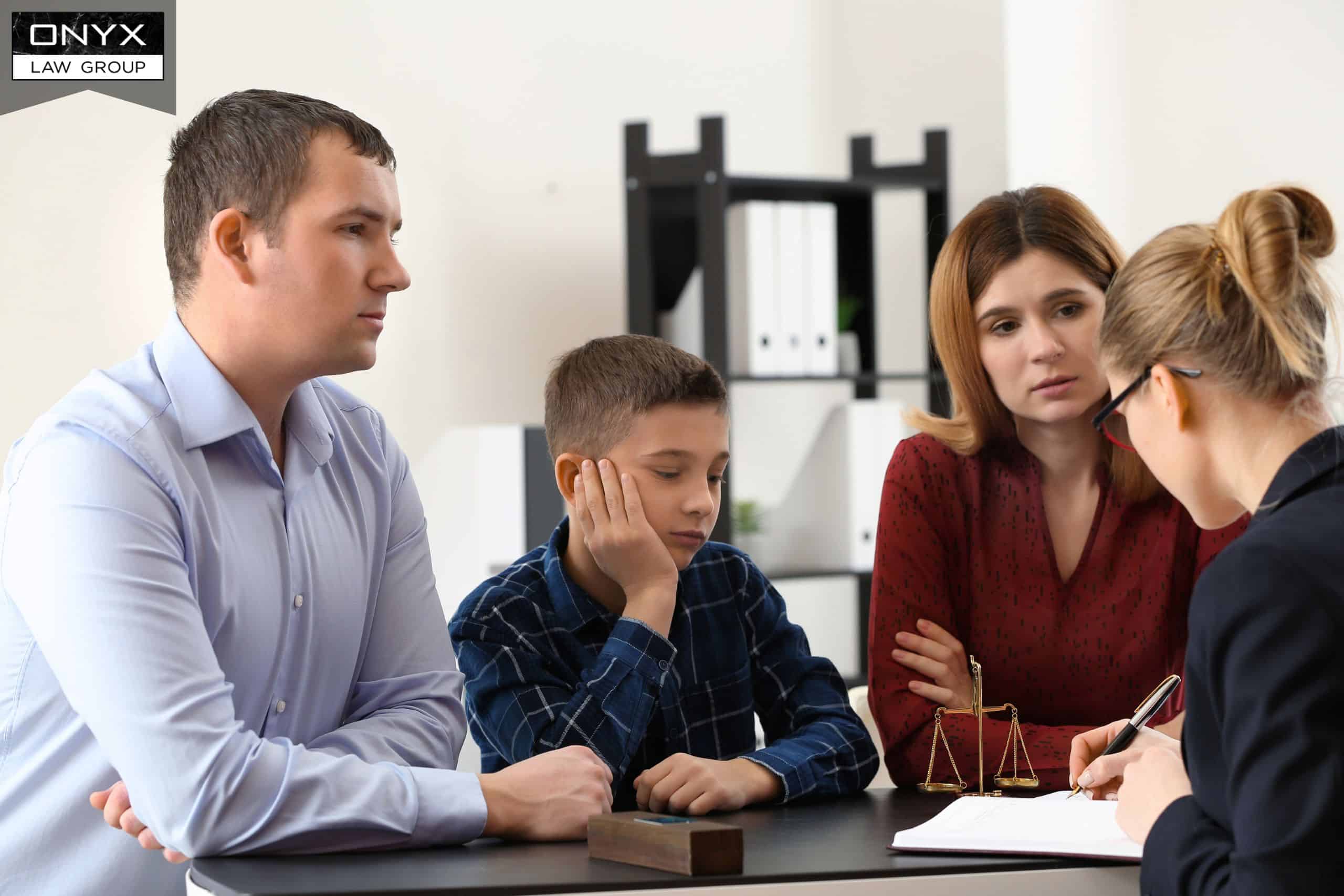
Circumstances change over time. An existing spousal support order or written agreement can be varied, extended, or terminated by application to the court or by consent of the parties. When the court is called upon to change a spousal support order, it must consider whether there has been “a material change of circumstances.”
For example, if the payor loses his or her job after the support order was made and can no longer pay the amount that was ordered, a court may decide that the support order should be changed by ordering smaller payments or a more immediate end date. As discussed above, voluntary retirement may or may not be a material change of circumstances that warrants reduction or termination of spousal support.
Want to Know More About How Long Spousal Support Lasts in BC?
Spousal support in British Columbia can last for a set period or indefinitely, depending on several factors like the length of the relationship, the age of the spouses, and their financial situations. In many divorce cases, support ends when the receiving spouse becomes self-sufficient, reaches retirement age, or remarries, but it’s not always automatic. Whether you’re in a long-term marriage, a common-law relationship, or facing retirement, getting clear answers about spousal support amounts, duration, and whether you’re entitled to spousal support is key. This is where working with experienced BC spousal support lawyers makes all the difference. They’ll help you make informed decisions and advocate for what’s fair.
The family law team at Onyx Law Group has extensive experience in working with the Spousal Support Advisory Guidelines, the Divorce Act, and BC’s Family Law Act. Reach out to us for an initial consultation to learn more. We will give you clear and understandable advice about how spousal support applies to your post-separation life.