


Separation and divorce are stressful. The stress is compounded when separating spouses aren’t clear on their legal rights or the process they should use to resolve family law issues, as BC divorce laws are complex. Divorce and related family law disputes are governed by both federal and provincial laws. When a relationship breaks down, it’s difficult for separating spouses to know which laws apply in their situation.
Our goal is to empower clients to understand and control the process, rather than feel overwhelmed by it. The Vancouver divorce lawyers at Onyx Law Group have the expertise to answer any questions you may have regarding divorce in BC. Contact us today for an initial consultation and let us handle the legal complexities, so you can move forward confidently towards a fresh start.
Today’s post will provide general information about the laws and process for getting a divorce in British Columbia. We’ll answer some top divorce FAQs including grounds for divorce, entitlements (property division, support, etc.) and options for getting matters resolved.
How Does BC Divorce Law Work

Our family law system is governed by two main laws: the provincial Family Law Act and the federal Divorce Act. Canada’s Divorce Act only applies to legally married spouses, not people in a common law relationship. Compare that to BC’s Family Law Act, which applies to both married spouses, common law spouses (those who have been living together in a marriage-like relationship for at least two years), and unmarried couples.
There is some overlap between the two laws. Both deal with family-related legal matters such as child support, spousal support, and parenting arrangements. But there are some significant differences. For example, of the two laws, only the Family Law Act deals with the division of property, debt, and getting protection orders to address family violence. An experienced divorce lawyer can help you determine which law to proceed under based on the issues involved in your family claim.
Eligibility for Divorce in BC
A divorce order is the only way to legally end a marriage. There’s no power to grant a divorce order under the Family Law Act. If you’re married and want to get a divorce order, you must start an application in the BC Supreme Court under the Divorce Act.
But first, you must determine if you’re eligible to apply for a divorce in BC. Eligibility rules require that you or your spouse must have lived in the province for at least one year and must still be living in BC when the divorce application is filed in court.
Legal Grounds for Divorce
You can file for divorce in BC for one of three reasons:
- Separation for at least one year
- Adultery
- Physical or Mental Cruelty
The most common ground is being separated for at least one year, meaning living apart with the intention of ending the marriage. During this period, couples can live in the same home but must live separate lives (eat, sleep, and live separately). It’s very rare and usually not recommended to file on the grounds that one spouse committed adultery or cruelty, because you’d then have to prove adultery or cruelty at a trial.
What You’re Entitled to in a Divorce in BC
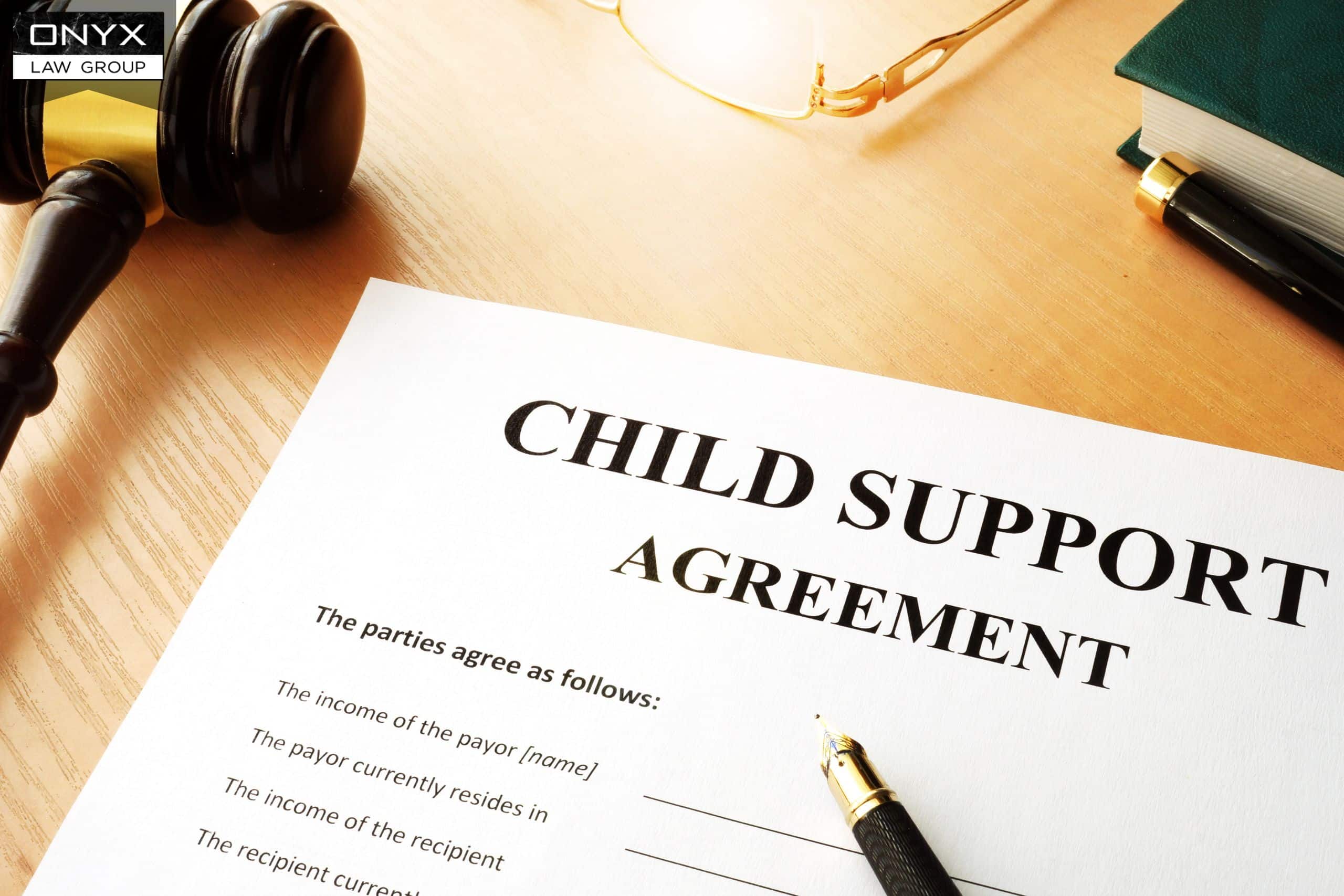
It’s very important to understand your legal rights and entitlements when going through a divorce. If you don’t, you could lose out on spousal support, end up with less than your fair share of property, or be left with more than your share of the debt incurred during your marriage. Let’s talk about the common family law issues that need to be resolved after a relationship breaks down.
Property Division
The Family Law Act applies to property issues. BC’s Family Law Act says “family property” and “family debt” are divided 50/50 between spouses unless:
- it would be significantly unfair to do so
- you have a written agreement such as a cohabitation agreement or prenuptial agreement that deals with property issues on separation
- post-separation, you and your spouse agree to an unequal division of property and debt based on what you view as fair
“Excluded property”, on the other hand, is presumed to remain the property of the spouse who owns it. Examples of excluded property are gifts, inheritances, and property brought into the marriage by a spouse.
Spousal Support
A married spouse can apply for orders for spousal support under the Family Law Act or the Divorce Act. The spouse claiming support must prove their entitlement on one or more of three recognized grounds:
- Contractual (e.g., a marriage agreement);
- Compensatory; and/or
- Non-compensatory (also referred to as “needs-based”).
Factors that influence spousal support issues include the length of the relationship, roles and functions performed during the marriage, and any order or agreement relating to the support of either spouse.
If the spouse claiming support proves entitlement, the next issues are how much (amount) and for how long (duration). Calculating spousal support is one of the more complex family law issues. The Spousal Support Advisory Guidelines (“SSAG”) are helpful in providing ranges of support in a variety of situations to help spouses figure out the amount and duration. Legal help is also strongly recommended.
Parenting Arrangements and Child Support Issues
The old labels of child custody, access, and visitation are no longer part of our family law system. Instead, lawyers, judges, and parties to a family law claim talk about parenting arrangements. That covers parenting time and parental responsibilities (e.g., who makes decisions affecting the children).
Child support issues must also be decided. Calculating child support is relatively easy when the paying parent has steady employment income. Calculation of child support becomes very tricky when the paying parent is unemployed, underemployed, earns corporate or business income, or has income that fluctuates from year to year. Parenting time also impacts child support, for example, in such cases where parenting time is split or shared.
Issues relating to children tend to be highly emotionally charged. It’s a good idea to get legal help from an experienced family lawyer to ensure your children are protected and financially supported.
The Divorce Process in BC

Here is an overview of the divorce process from start to finish:
Step 1: Confirm eligibility to file for divorce in BC (residency requirement discussed above).
Step 2: File a Notice of Family Claim at the BC Supreme Court Registry.
Step 3: Serve divorce papers on the other spouse.
Step 4: Wait for the other spouse’s response to your family claim.
Step 5: Negotiate terms and attend court hearings if needed.
Step 6: Finalize the divorce with a court order.
Which Court Is Responsible for BC Divorces?
There are two courts in BC that handle family claims: the Supreme Court and the Provincial Court. The Supreme Court can deal with any family law issues. The Provincial Court can only handle certain matters such as spousal support, child support, parenting arrangements, and protection orders.
In some cases, you can go to either court. In other cases, you don’t get to choose. For example, if you need a divorce order or orders dealing with family property division, you must file in the BC Supreme Court as it has exclusive jurisdiction over those two issues.
Why would separating spouses want to file in the Provincial Court, given that it can’t deal with property division or grant divorce orders? The Provincial Court is easier to navigate and less costly than the Supreme Court. Some spouses use the Provincial Court to resolve issues and then file for an uncontested divorce in the BC Supreme Court.
There are pros and cons to each court. Legal Aid BC has information about the court systems that may help you decide, or you can reach out to one of our family lawyers for advice.
Do I Need to Go to Court to Get a Divorce in BC?
Many separated spouses start court proceedings because they can’t agree, but end up reaching an agreement before trial. You and your spouse can make an agreement at any time—before or after divorce proceedings are commenced—either by negotiation, mediation, the collaborative divorce process, or other alternative dispute resolution options.
Once all outstanding issues are settled, the BC Supreme Court can grant the divorce order without the need for a trial. The best approach is to contact a lawyer to discuss the options and determine which is recommended in your situation.
Contested Divorce vs. Uncontested Divorce in BC
We just discussed the option of settling issues and then applying to the BC Supreme Court for a divorce. That is known as an uncontested divorce or desk order divorce. To get that type of divorce, the spouses need a signed separation agreement or a court order resolving issues. See here for a step-by-step guide to the uncontested divorce process.
A contested divorce is very different. In a defended or contested divorce, a judge is called on to decide outstanding issues like parenting, support, property, and debt. However, as discussed above, spouses can make an agreement at any point, thereby avoiding the need for a trial. In other words, a divorce that starts out contested may not end that way.
How Much Does It Cost to Get a Divorce in BC?
Many people are concerned about legal fees. The reality is that there are many factors that affect the cost of getting a divorce in British Columbia. On average, court fees for a divorce application range from $290 to $330. The DIY route or online divorce options may seem cheaper, but cost you time, money, and stress in the long run.
How Long Does a Divorce Take in BC?

Timelines depend on several factors. Generally speaking, an uncontested divorce is quicker than a contested divorce. An uncontested divorce application typically takes about three to six months from the date of filing to the date the divorce order is issued by the court.
A contested divorce will take longer and be more costly. Depending on the complexity of issues, it can take six to 18 months, if not longer, to resolve issues pertaining to property, debt, support, and children.
Are You Considering Legal Help from a Divorce Lawyer in BC?
If you have questions about your rights and entitlements on divorce in BC, Onyx Law Group can provide answers. Our Vancouver lawyers serve clients throughout the Lower Mainland and the rest of BC. We have the expertise to guide you through the process of separation and divorce.
Contact us today to schedule an initial consultation with one of our experienced lawyers and take the first step towards a positive, successful outcome.